SA Canegrowers vexed about retailers not sticking to 'buy local' commitment

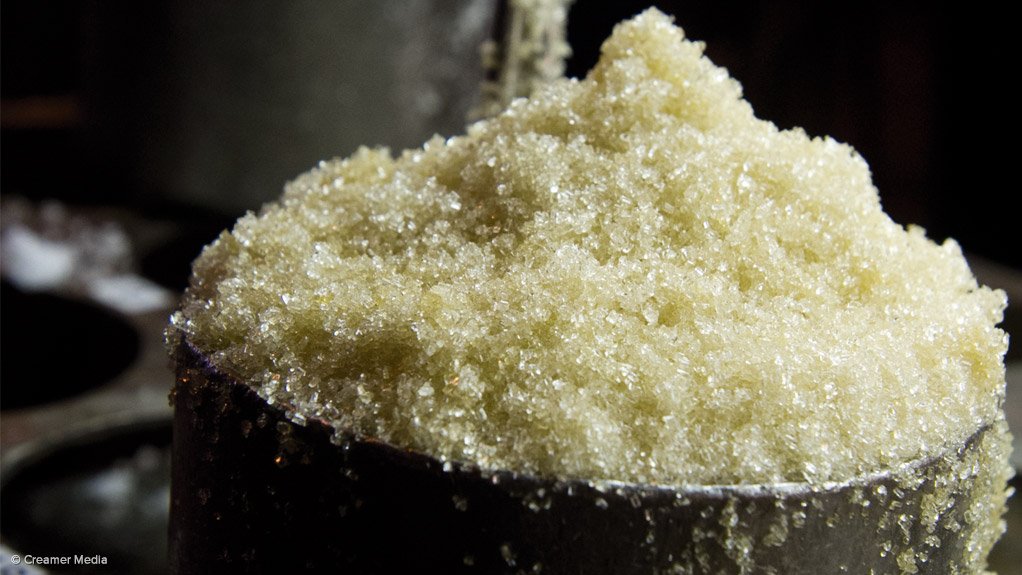


Industry body SA Canegrowers says retailers are not honouring their commitment to purchase South African-produced sugar, which puts rural livelihoods at risk.
South Africa’s retailers and food and beverage manufacturers previously made a promise: to buy sugar produced in South Africa. However, SA Canegrowers' analysis of data on local sugar sales, and evidence on local retail shelves, show that they are not delivering on this commitment, at the expense of South African livelihoods.
Under the Sugarcane Value Chain Master Plan, an agreement initiated by the South African government, retailers and manufacturers committed to sourcing 95% of their sugar from South Africa.
The Master Plan is a formal compact between local industry, end-users, labour, and government, brokered by the Department of Trade, Industry and Competition. Its aim is to protect South African jobs, ensure equitable access to the local sugar industry, and secure South African production capacity.
"When companies signed it, they signed up to buy South African sugar, not sugar produced in neighbouring countries, such as Eswatini.
“Local means South African,” says SA Canegrowers chairperson Higgins Mdluli.
Data from the local sugar industry shows a 20% collapse in local sugar sales when compared with the same period of time in the previous three seasons: sales dropped from 626 417 t in 2023/24 to 433 380 t this season alone, despite there being more than sufficient locally produced sugar to meet domestic demand.
SA Canegrowers have spent the past years raising the alarming displacement of locally grown sugar with heavily subsidised imported sugar, especially at retailers.
“When retailers signed the Master Plan, they didn’t commit to only avoiding deep-sea imports from countries such as India, Brazil and Thailand. They committed to supporting South African sugar, South African jobs and South African transformation. You cannot honour that commitment by sourcing sugar from outside our borders of our country and simply arguing it doesn’t count as an import because it comes from a neighbouring country with no import tariff.
"The local communities who depend on this industry don’t experience the difference, the money still leaves South Africa, and local livelihoods still suffer,” Mdluli laments.
Sugar produced in countries such as Eswatini can enter South Africa without incurring an import tariff, as the countries are part of the Southern African Customs Union, a free-trade area.
However, by stocking and selling sugar from this country, retailers are supporting jobs in neighbouring countries, while local growers in Mpumalanga and KwaZulu-Natal face losing income owing to reduced sales, SA Canegrowers explains.
Cross-border sugar sales also do not contribute to local transformation efforts, rural development and customer rebates, and do not participate in efforts to increase import tariffs and reduce the sugar tax, yet they receive all the benefits.
"By buying sugar from Eswatini, one is directly undermining efforts to ensure the sustainability of the South African sugar-growing and -milling industry.
“South Africa produces enough sugar to meet local demand. Retailers who sell sugar produced in other countries are exporting jobs and not sticking to their own commitment to support local sugar: a commitment made in South Africa, under a plan by the South African government, to South African sugar,” Mdluli concludes.
Article Enquiry
Email Article
Save Article
Feedback
To advertise email advertising@creamermedia.co.za or click here

Projects

Latest Multimedia


Showroom
Mitsubishi Chemical Advanced Materials South Africa (Pty) Ltd is a leading manufacturer of high-performance engineering plastics for the mining...
VISIT SHOWROOM
ALBIS FLANGES — founded in 1965 — is a petro-chemical approved manufacturer of flanges and fittings in most grades of steel, listed with Sasol,...
VISIT SHOWROOM

Press Office
Announcements
What's On
Subscribe to improve your user experience...
Option 1 (equivalent of R125 a month):
Receive a weekly copy of Creamer Media's Engineering News & Mining Weekly magazine
(print copy for those in South Africa and e-magazine for those outside of South Africa)
Receive daily email newsletters
Access to full search results
Access archive of magazine back copies
Access to Projects in Progress
Access to ONE Research Report of your choice in PDF format
Option 2 (equivalent of R375 a month):
All benefits from Option 1
PLUS
Access to Creamer Media's Research Channel Africa for ALL Research Reports, in PDF format, on various industrial and mining sectors
including Electricity; Water; Energy Transition; Hydrogen; Roads, Rail and Ports; Coal; Gold; Platinum; Battery Metals; etc.
Already a subscriber?
Forgotten your password?
Receive weekly copy of Creamer Media's Engineering News & Mining Weekly magazine (print copy for those in South Africa and e-magazine for those outside of South Africa)
➕
Recieve daily email newsletters
➕
Access to full search results
➕
Access archive of magazine back copies
➕
Access to Projects in Progress
➕
Access to ONE Research Report of your choice in PDF format
RESEARCH CHANNEL AFRICA
R4500 (equivalent of R375 a month)
SUBSCRIBEAll benefits from Option 1
➕
Access to Creamer Media's Research Channel Africa for ALL Research Reports on various industrial and mining sectors, in PDF format, including on:
Electricity
➕
Water
➕
Energy Transition
➕
Hydrogen
➕
Roads, Rail and Ports
➕
Coal
➕
Gold
➕
Platinum
➕
Battery Metals
➕
etc.
Receive all benefits from Option 1 or Option 2 delivered to numerous people at your company
➕
Multiple User names and Passwords for simultaneous log-ins
➕
Intranet integration access to all in your organisation